
Virginia Criminal Lawyer pursuing your best defense against felony, misdemeanor & DUI prosecutions
Fairfax Criminal Lawyer • Virginia DUI Lawyer




Successfully Defending over one thousand Virginia DUI and Criminal Defendants
Call us for your criminal and DUI defense action plan
When you have been arrested or otherwise charged in Northern Virginia for a felony or misdemeanor, you need to obtain a qualified criminal defense lawyer. A criminal conviction and sentence -- even if the sentence involves probation rather than active jail time -- can wreak havoc on a person's name, employability, security clearance, and other vital parts of a defendant's life. The prosecutor and police are not waiting for you to get an attorney, so the clock is ticking to have the right attorney fighting for you.
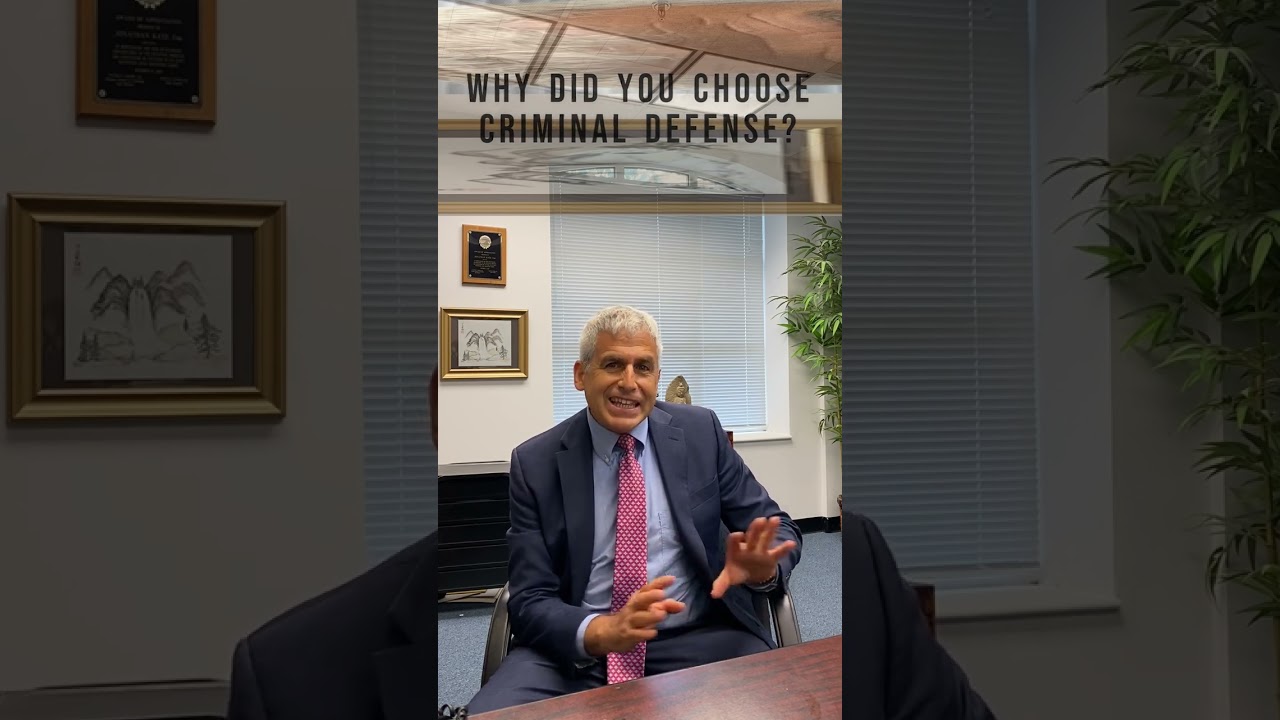
DUI Defense

DUI Defense
We never judge you. We defend you to the hilt in Virginia criminal court.
Drug Defense
Drug Defense
Beware harsh drug war landmines. We scour your Virginia drug case to reverse adverse tides.
Assault Defense

Assault Defense
Virginia assault charges demand aggressive defense. We fight back — smart, relentless, and prepared
Federal Criminal Defense

Federal Criminal Defense
Federal charges raise the stakes. We navigate the maze and strike with precision.
Firearms & Weapons

Firearms & Weapons
Virginia gun laws are a minefield. We push back hard against overreach and overcharging.
Murder / Homicide

Murder / Homicide
Facing a Virginia murder charge means the fight of your Life. We’re here to stand between you and conviction.
Sexual Offenses

Sexual Offenses
High-stakes sex crime accusations require relentless defense. Your liberty deserves nothing less.
Child Pornography

Child Pornography
These charges trigger shock and stigma. We focus on the facts and fight for your future.
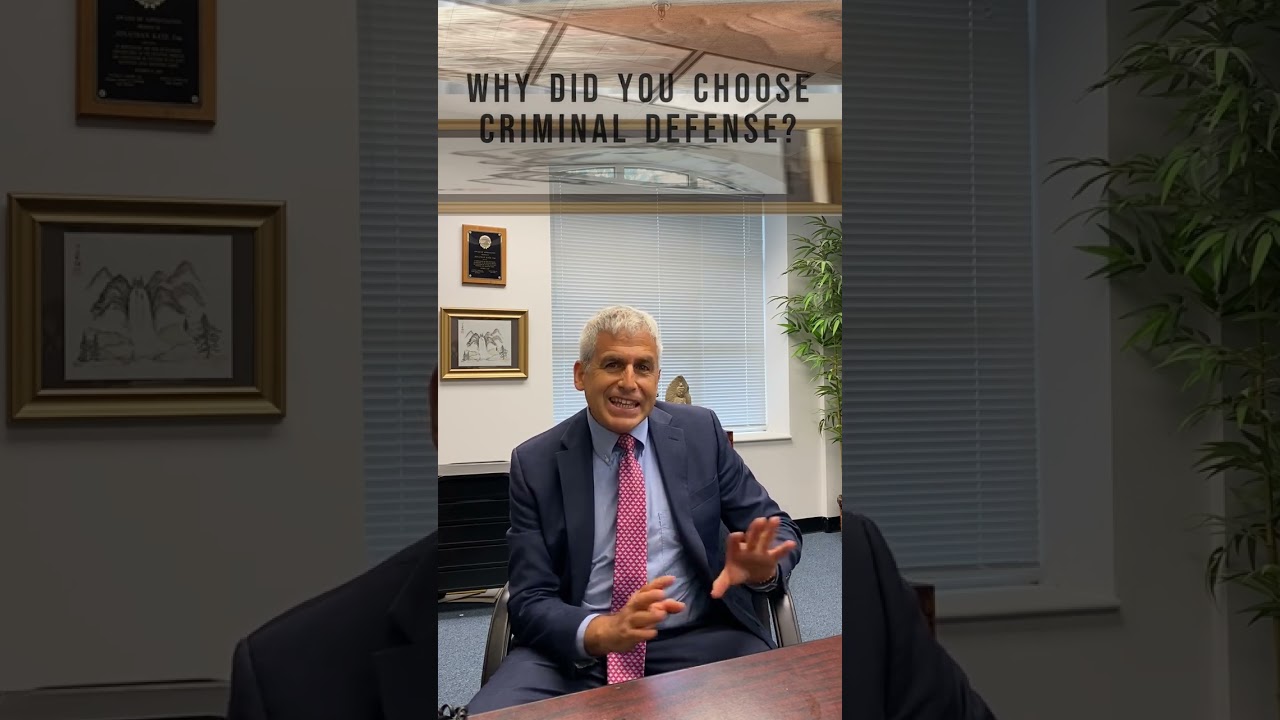
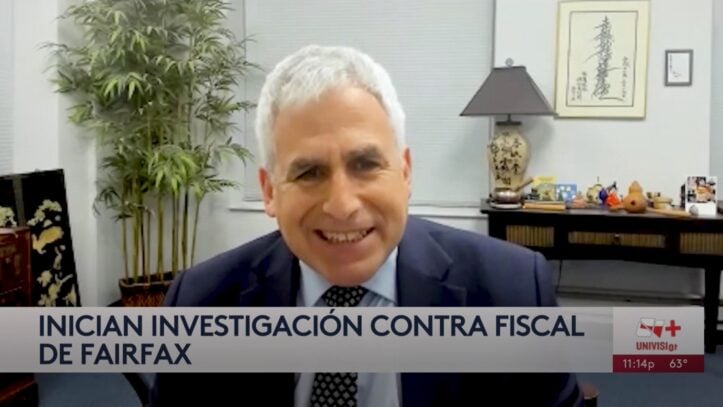
Top-rated criminal defense lawyer Jon Katz has been headquartered in Fairfax for years, where his office is across the street from the courthouse. Virtually 100% of Jon's law practice is devoted to defending people accused of DUI / DWI, drug offenses, assault, sex offenses, fraud, weapons crimes, and more. Obtaining Jon's services is a phone call away; call 703-383-1100 for a free in-person confidential consultation about your court-pending criminal case. Jon's motivation for pursuing your best defense springs from a combination of a recognition that one mistake does not define an entire person, a devotion to the legal rule that one is presumed innocent and that the prosecutor has the burden to try to prove a defendant guilty beyond a reasonable doubt, and a perpetual zeal to win.
Call Us At 703-383-1100 For A Free Initial Consultation With Jon Katz
Jon Katz is available most business days to meet with you. Find out the critical difference Jon Katz can make to your defense by scheduling a free in-person confidential consultation with him about your court-pending prosecution by calling us at 703-383-1100. When you meet with Jon, he will listen closely to you, never judge you, fully answer your questions, and map out an initial strategy and approach for him to defend you and for you to assist in your defense as well. You will likely leave your first meeting with Jon much more knowledgeable and confident about the possibilities for your defense and a favorable case outcome.
How Does Jon Katz Repeatedly Obtain Great Results For Fairfax Criminal And DUI Defendants?
For decades, Jon Katz has practiced martial arts and applies those lessons of discipline, focus, fearlessness, and effectiveness to defend his clients in criminal court. For Jon Katz, each new success in court brings him as much of a thrill as his first court victory, and this zeal for fighting for his clients keeps his energy high and batteries charged.
Jon believes strongly in the power of working with you as a team and will fully assist you in demystifying what the court is all about and how to obtain the best possible results in your case. Law in the abstract may often seem dry, but Jon turns the law and case preparation into an exercise in panning for gold, knowing the opposition, and exploiting all the defensive opportunities and prosecution weaknesses for all they are worth.
Jon keeps up with changes in the statutory law and court case law. You can learn more about what makes Jon's criminal defense approach tick by visiting his criminal defense blog, which shows his constant attention to relevant developments in the law and his constant attention to doing whatever it takes to obtain great court results for his criminal and DUI defense clients. Persuasion is a key part of winning in court, including through powerful and persuasive storytelling; fully knowing and understanding judges, jurors, opposing witnesses, police, and prosecutors; and constant focus on the ultimate goal of winning for the defense.
When you hire Jon Katz, he is on your criminal defense like a dog to fresh red meat. Just as a soldier with his weapons, Jon treats the law and your case preparation with the utmost attention, mining for the essential evidence, constantly analyzing the applicable law, applying his relevant experience, and working closely with you, Jon pursues the best defense for you, as that is the only path he knows and accepts.
Once you meet with Jon Katz, you will know that he is up to the task of leaving no essential stone unturned in working to reverse the disharmony caused by the criminal prosecution against you. Some cases can take more than a month or two, or even more, to go to trial, and Jon believes in lifting the weight of your case off your shoulders while your case is pending so that you can get on with your personal and professional life and with your family. All sorts of hidden hurdles and landmines exist in your case from the very beginning in your criminal or DUI case. It is never too early to hire Jon as your criminal defense lawyer.
Fairfax Criminal And DUI Defense
No jailable Fairfax criminal nor DUI case is too small to merit obtaining the right criminal defense attorney for you. Criminal prosecutions can involve misdemeanor charges, which carry up to a year in jail, and felony cases, which carry beyond the risk of a year in jail or prison. Even though some misdemeanors are billed as "petty offenses", nothing is petty about a criminal prosecution when you are on the receiving end of the case.
Upon being hired as your criminal lawyer, Jon Katz immediately focuses on preparing for your trial defense, case negotiations, and any possible sentencing. Some criminal defendants want to focus on trial defense rather than case negotiations, and others want to do the opposite. Jon knows from experience that the criminal defense side must always be trial-ready. Jon Katz has successfully defended thousands of criminal and DUI defendants, pursuing acquittals, and the next best thing when that is the reality of the case. He knows there are no shortcuts to victory in criminal court, only smart, hard, and experienced fighting for his clients. Each client and defense is unique, and Jon, with his clients, formulates, refines, and executes a tailor-made defense for each criminal defendant he represents.
With Jon Katz, You Get A Great Defense In Fairfax Criminal And DUI Court
As a skilled Fairfax criminal lawyer, Jon Katz never rests on the laurels of his innumerable past successes. Prosecutors and police are worthy opponents, and Jon does not rest in finding and pursuing the best angles and approaches for obtaining your best possible outcome in court. Nor does Jon rely solely on his own experience and knowledge to fight for a great outcome in your case. He works closely with you and his staff to pursue your best possible defense and often brainstorms with colleagues who are among the highest quality lawyers.
Jon thoroughly prepares his clients for court and for possible testimony. He has worked successfully again and again with critical experts in fields such as forensic toxicology, medicine, and drug analysis. He has worked with top-notch trial consultants many times. Jon's focus at every turn is to obtain as much victory as possible for his criminal defense and DUI clients. Jon has successfully taken hundreds of cases to trial; for him, that is like riding a bicycle. Hiring Jon Katz means he is your criminal defense lawyer, not a substitute.
Jon Katz Fends Off The Bows And Arrows Flying In Criminal Court
Even if the atmosphere in court seems calm with smiling judges, prosecutors, and police, that may simply be because they are themselves in good spirits or prefer that criminal defendants not get all anxious about the fallout that can come their way if they are not properly defended. You are the one facing all the adverse consequences of any conviction and sentence. Your only real friend in Fairfax criminal and DUI court is your lawyer. Once you have Jon Katz as your defense attorney, you are never alone as you tackle your defense.
Jonathan L. Katz knows that Virginia has a harsh criminal justice system that, fortunately, is seeing some turnaround in terms of a chief prosecutor in Fairfax and other parts of the commonwealth who recognize the need to be more enlightened about the rights and plights of criminal defendants, and a state legislature that is bringing Virginia further from the criminal justice dark ages. Nonetheless, prosecutors have their own prosecution agenda, and legislators serve their constituencies. One's criminal defense lawyer is a criminal defendant's only true friend in the courthouse.
A Virginia criminal or DUI conviction (under Va. Code § 18.2-266) risks not only penalties in state court, but also damage to one's reputation, career, security clearance, health care licensing, and immigration status. Jon Katz finds out what is most important to you for your defense. He pursues the best possible outcome for you, while also pushing against the foregoing adverse collateral consequences from a conviction and against adverse sentences.
Among the many criminal defense lawyers in Fairfax, VA, you may be considering, Jon Katz has successfully defended thousands of clients prosecuted for alleged felony, misdemeanor, and DUI offenses. Call 703-383-1100 for a free in-person confidential consultation and action plan for your court-pending criminal or DWI case.

How should a criminal defendant in Northern Virginia challenge a felony, misdemeanor, or DUI prosecution?
Hire a criminal defense lawyer who will fight for you every step of the way in court, who will never judge you, and who will always have your back. That is Fairfax criminal lawyer Jon Katz's credo.
At your very first meeting, Jon Katz will listen closely to you and provide you with a tailor-made defense action plan, addressing his initial approach to pursuing your best defense in Virginia criminal and DUI court, and offering proactive steps you can take in the process. By the time you leave your initial consultation with Jon, you will be better prepared -- and likely more confident -- for what lies ahead in defending your criminal case.
Call us at 703-383-1100 to schedule a free in-person confidential consultation with Jon Katz about your court-pending felony, misdemeanor, or DUI case.

Helpful Articles by Jon Katz
- How to select the best criminal defense lawyer for you
- Your great lawyer does not need prosecution experience
- Don't let go of prosecutors' jugulars
- Pleading Guilty Is Overrated
- Get out of jail after arrest
- Good taste beats good grammar
- Be ready for a trial by fire
- Trial Persuasion is essential
- What do I do if my judge rejects my plea deal?
- Don't let the police break court rules
- Don't let Prosecutors Push Your Buttons
- Ripple effects of convictions
- What role does my family play in my Criminal Defense?
- Meeting & Paying Your Attorney - Fairfax Criminal Lawyer’s Roadmap


Latest Posts

Lost exculpatory evidence- Virginia courts speak
Lost exculpatory evidence is a real risk in Virginia prosecutions. As a Fairfax criminal lawyer, I know that many if not all law enforcement agencies / police departments in the commonwealth have video retention and deletion policies and practices, starting with something as exasperating as...

Winnable is your DUI case, says Fairfax criminal lawyer
Winnable is your Virginia DUI case. As a Fairfax criminal lawyer, I say that no matter how optimistic or not you are about that winnability. Victory does not come from wishful thinking, carrying a lucky charm, nor other superstition, but starts with obtaining a great...

Witness sequestration- Fairfax criminal lawyer comments
Witness sequestration orders (also known as the rule on witnesses) are always granted when I request them at trial, sometimes with judicial modifications. As a Fairfax criminal lawyer, I know that the right to such orders is codified at Virginia Code § 19.2-265.1 and Virginia...